


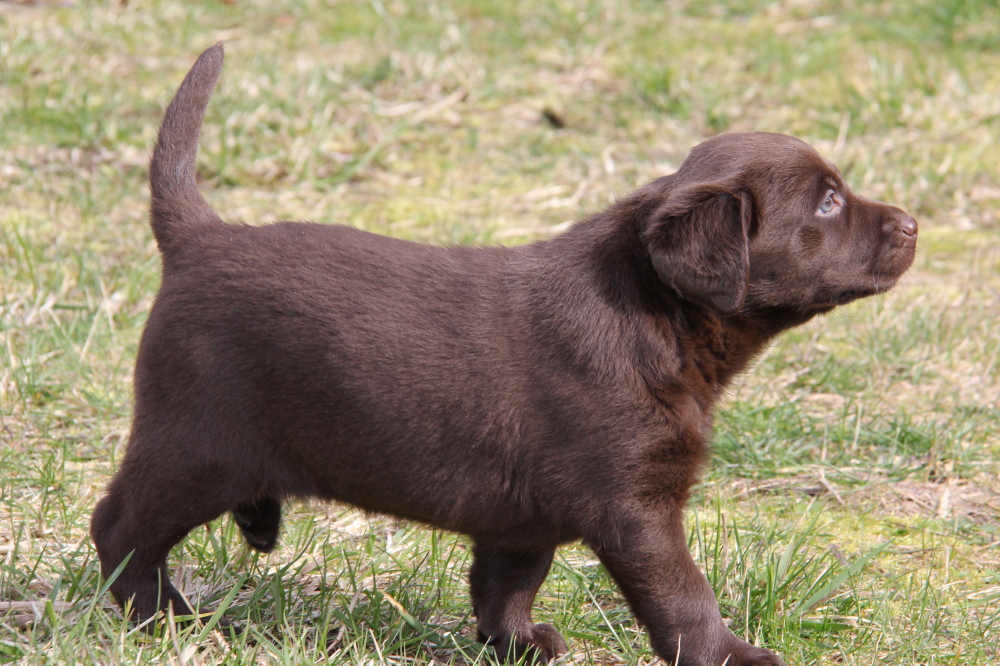



Description
Silver Labrador Retriever Puppies: What You Need to Know Before You Buy
Silver Labrador Retrievers have a striking, shimmering gray coat that’s made them increasingly popular – and increasingly debated. Before you buy one, it’s worth understanding exactly where this color comes from, why it’s controversial within the breed community, and what it means for your puppy’s health and paperwork. This guide lays out the facts plainly so you can make an informed decision
Where the Silver Color Comes From
Silver Labs get their coat from a dilution gene that lightens a chocolate coat to a steel-gray shade (a “charcoal” Lab is the same dilution gene acting on a black coat). This dilution gene is well established in other breeds – it’s standard and expected in Weimaraners and Chesapeake Bay Retrievers, for example – but it has not historically been part of the documented Labrador Retriever gene pool.
The Controversy, Explained Fairly
This is genuinely a two-sided debate, and both sides deserve an accurate hearing:
The position of the Labrador Retriever Club (the AKC’s official parent club for the breed): the club has publicly stated that it does not consider silver Labradors to be purebred Labrador Retrievers, arguing that the dilution gene has never been documented in verified purebred lines and that the breed standard recognizes only black, yellow, and chocolate.
The AKC’s actual registration practice: the AKC does register silver Labs – but only under the “chocolate” color designation, not as a separate recognized color. Silver is not permitted in the conformation show ring and is considered a disqualifying fault there, though silver Labs can still participate in field trials and hunt tests if both parents are AKC-registered.
The breeders’ counterargument: breeders who produce silver Labs generally maintain that their dogs are still genetically Labrador Retrievers, that they health-test their breeding stock like any responsible breeder would, and that coat color alone shouldn’t disqualify a dog from being considered a “real” Lab.
There’s no simple resolution here it’s an active disagreement between the parent breed club and a segment of breeders and owners, and reasonable people land on different sides of it.
Health Considerations Specific to the Dilution Gene
The one health issue clearly and consistently linked to the dilution gene, across veterinary and breeder sources, is:
- Color Dilution Alopecia (CDA): a condition where the diluted coat becomes prone to dryness, hair thinning, and itchy or scaly skin over time. It’s a quality-of-life issue rather than a life-threatening one, but it does mean silver Labs may need gentler grooming products and closer skin monitoring than standard-colored Labs.
Beyond CDA, some sources raise concerns about a narrower genetic pool among silver Lab breeding lines (given how few breeders work with the color) potentially compounding standard Labrador health risks like hip/elbow dysplasia. This connection is debated and not as firmly established as CDA – it’s a reason to ask more health-testing questions of a silver Lab breeder, not a confirmed guarantee of additional risk.
Standard Labrador health screening still applies in full: OFA hip and elbow clearances and DNA testing for EIC and PRA should be non-negotiable, regardless of coat color.
Registration Paperwork: What to Actually Expect
If you buy a silver Lab, understand upfront:
- AKC registration paperwork, if provided, will list the dog’s color as chocolate, not silver.
- The dog cannot compete in AKC conformation showing (disqualified for color) but can participate in field trials and hunt tests if both parents are registered.
- Don’t accept a breeder’s claim of “rare purebred silver registration” at face value – ask to see the actual paperwork and confirm the listed color.
Pricing: Why Silver Labs Cost More
| Category | Typical Price Range |
|---|---|
| Standard black/yellow/chocolate Lab, pet-quality | $800 – $1,800 |
| Silver Labrador puppy | $1,500 – $3,500+ |
Silver Labs are priced at a premium almost entirely due to demand and novelty, not because of superior health, temperament, or bloodline. Given the breed-club controversy, that premium is worth weighing carefully against what you’re actually getting on paper.
Questions to Ask a Silver Lab Breeder
- Can you show me the AKC registration paperwork, and what color is listed on it?
- What health clearances (OFA hips/elbows, EIC, PRA DNA) do the parents have?
- How do you manage skin/coat health given the dilution gene?
- How many generations of silver-line breeding are in this litter’s pedigree?
- Are you aware of the Labrador Retriever Club’s position on silver Labs, and how do you respond to it?
A transparent breeder should be able to answer all of these directly, without deflecting or getting defensive.
Should You Buy a Silver Labrador Retriever Puppy?
That depends on what matters most to you:
- If having a dog recognized as a standard AKC color and eligible for the conformation ring matters, a silver Lab is not the right choice.
- If you’re drawn to the color itself and are comfortable with the ongoing breed-club debate, a silver Lab can still be a genetically Labrador, healthy, well-tempered companion – provided the breeder health-tests properly and is transparent about the paperwork.
- Either way, go in informed rather than being sold on “rare purebred” marketing language without the full picture above.
Frequently Asked Questions
Is a silver Labrador Retriever purebred? It’s disputed. The AKC will register silver Labs, but only under the “chocolate” color designation, and the Labrador Retriever Club (the breed’s official parent club) has publicly stated it does not consider silver Labs to be purebred.
Can a silver Lab be shown in AKC conformation events? No – silver is a disqualifying fault in the conformation show ring, though silver Labs can compete in field trials and hunt tests if both parents are AKC-registered.
Are silver Labs less healthy than standard-colored Labs? The dilution gene is linked to Color Dilution Alopecia (CDA), a skin/coat condition, but there’s no firm evidence that silver Labs are less healthy overall. Standard Labrador health testing (hips, elbows, EIC, PRA) still matters just as much.
Why do silver Labs cost more than standard-colored Labs? Primarily due to demand and novelty rather than any documented superiority in health or temperament.
What color will be listed on a silver Lab’s AKC registration papers? Chocolate – the AKC does not have a separate “silver” registration category.
Where did the silver color in Labradors come from? The exact origin is debated. The dilution gene is well established in other breeds like the Weimaraner, but its introduction into Labrador lines has not been definitively documented, which is part of why the color remains controversial.


Reviews
There are no reviews yet.