













Description
Labrador Retriever Puppies: What to Expect and How to Raise One
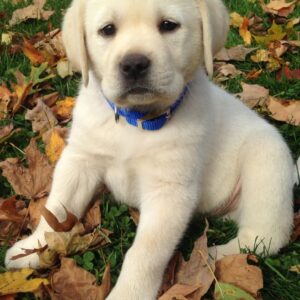
Labrador Retriever puppies are famous for being friendly, food-motivated, and endlessly energetic – which makes them wonderful family dogs and, in the first year especially, a genuine handful. Whether you’re deciding if a Lab puppy is right for you or you’ve already brought one home, here’s what the first year actually looks like.
Labrador Puppy Growth Stages
| Age | What to Expect |
|---|---|
| 8–12 weeks | Adjustment period, house-training begins, lots of sleep between bursts of energy |
| 3–6 months | Teething, chewing everything in sight, basic obedience training takes hold |
| 6–12 months | Adolescent energy peak, testing boundaries, most of adult height reached |
| 12–24 months | Filling out in weight and muscle, energy remains high, “mental maturity” still developing |
| 2+ years | Generally considered fully mature in temperament, though Labs stay playful for life |
Labs are a slower-maturing breed mentally than their size suggests – many owners find the “toddler energy” phase lasts well into the second year.
House-Training a Labrador Puppy
- Start immediately – Labs are food-motivated and generally quick learners with consistent positive reinforcement.
- Expect frequent trips outside at first: roughly every 1–2 hours while awake, plus after eating, playing, and waking from naps.
- Crate training works well for this breed and can speed up house-training by giving the puppy a consistent den space.
- Accidents are normal in the first weeks – consistency matters more than speed.
Feeding a Labrador Puppy
- Labs are prone to overeating and later obesity, so portion control starts in puppyhood, not adulthood.
- Puppy-formula food supports the rapid growth of the first year; most owners transition to adult food between 12 and 18 months.
- Because Labs will eat almost anything offered, measured feeding (rather than free-feeding) is strongly recommended for this breed specifically.
Exercise and Mental Stimulation
Labrador puppies have high energy but developing joints, so exercise should be appropriate for their age:
- Avoid high-impact activity (long runs, jumping from heights) until growth plates close, typically around 12–18 months.
- Short, frequent play sessions and leash walks are safer than one long outing.
- Swimming is an excellent low-impact option Labs are naturally drawn to.
- Mental stimulation (puzzle toys, basic training games) matters as much as physical exercise for this breed – an under-stimulated Lab puppy is far more likely to become destructive.
Training Basics for a Lab Puppy
Labrador Retrievers are consistently ranked among the most trainable breeds, thanks to their eagerness to please and food motivation. Priorities for the first year:
- Basic commands (sit, stay, come, leave it) starting as early as 8 weeks
- Leash manners – Labs are strong and can become difficult to walk if not trained early
- Bite inhibition during the teething phase
- Socialization with people, other dogs, and new environments, especially during the 8–16 week window
Common Health Considerations to Watch For
- Hip and elbow dysplasia – more likely if parents weren’t health-tested; watch for limping or reluctance to jump
- Obesity – a lifelong risk factor for this breed; portion control from puppyhood matters
- Ear infections – Labs’ floppy ears and love of water make regular ear checks worthwhile
- Exercise-Induced Collapse (EIC) – a genetic condition; DNA testing on parents is the best prevention
Regular vet checkups in the first year, along with age-appropriate vaccinations, are the foundation for a healthy adult Lab.
What Life With an Adult Labrador Looks Like
By age 2–3, most Labs settle into the loyal, easygoing temperament the breed is known for- though they remain high – energy and people-oriented throughout their 10–12 year average lifespan. Owners who invest in training and exercise during puppyhood typically find the payoff is a highly trainable, adaptable adult dog suited to nearly any active household.
Frequently Asked Questions
At what age do Labrador puppies calm down? Most Labs show reduced puppy energy starting around age 2–3, though they remain playful and active throughout adulthood.
How much exercise does a Labrador puppy need? Short, frequent sessions rather than long or high-impact activity – full exercise intensity should wait until growth plates close around 12–18 months.
When should I start training my Labrador puppy? Basic commands and socialization can start as early as 8 weeks old; the 8–16 week window is especially important for socialization.
Why is my Labrador puppy so food-motivated? It’s a breed trait – Labs are highly food-driven, which makes them easy to train but also prone to overeating, so portion control is important from puppyhood on.
When do Labrador puppies stop growing? Most reach adult height by around 6 months but continue filling out in weight and muscle until 18–24 months.
What health issues should I watch for in a Labrador puppy? Hip and elbow dysplasia, obesity, ear infections, and Exercise-Induced Collapse (EIC) are the main concerns – regular vet checkups and health-tested parents reduce the risk significantly.



Reviews
There are no reviews yet.